
Views: 0 Author: Site Editor Publish Time: 2025-09-29 Origin: Site


The hydraulic system is the "power core" of second-hand rotary drilling RIGS. Excessively high pressure can easily lead to pipeline burst and component wear, while excessively low pressure will affect drilling efficiency and even cause equipment failure. Scientifically adjusting the pressure of the hydraulic system can not only ensure the stable operation of the equipment but also avoid the increase in maintenance costs caused by overload, which is crucial for extending the service life of the equipment.
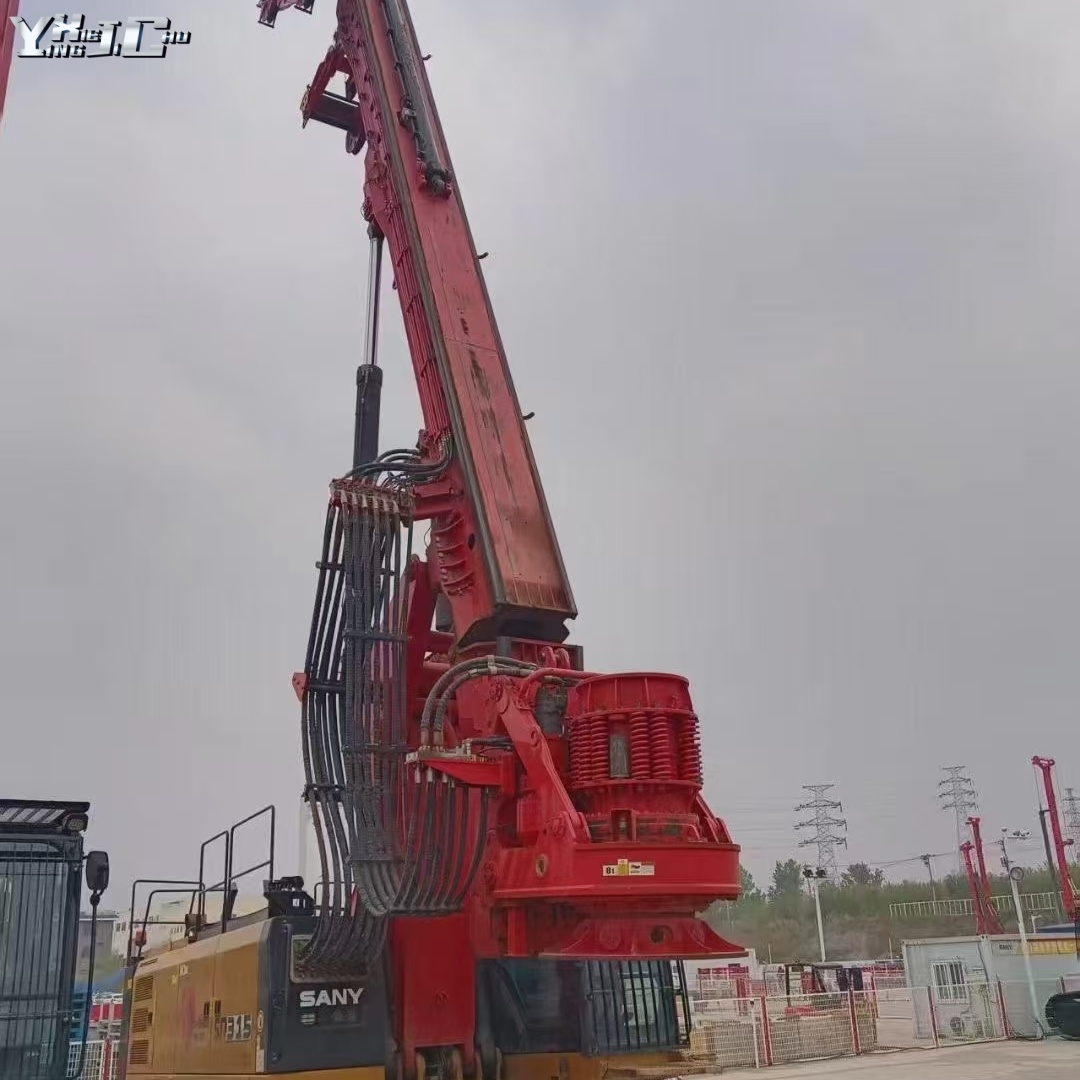
1. Clarify pressure standards: First, refer to the drilling rig's user manual to confirm the standard pressure values of the hydraulic system corresponding to different working conditions (such as drilling and lifting), avoiding adjustments based on experience and preventing problems caused by pressure mismatch with equipment requirements.
2. Pre-adjustment inspection: Before starting the drilling rig, check whether the oil level in the hydraulic oil tank meets the standard and whether the oil is clean. At the same time, check for any leakage in the pipelines and whether the joints are loose to ensure that there are no abnormalities in the hydraulic system before pressure adjustment.
3. Select the adjusting tools: Use a pressure gauge with qualified accuracy (with an error not exceeding ±2%) and a dedicated adjusting wrench. Avoid forcibly turning the pressure valve with ordinary tools to prevent damage to the valve core or affect the adjusting accuracy.
4. Step-by-step slow adjustment: Switch the drilling rig to the corresponding working condition, first loosen the lock nut of the pressure valve, and then slowly turn the adjusting screw. Observe the pressure gauge value. When it approaches the standard value, slow down the adjustment speed until it precisely matches the standard pressure. Finally, tighten the locking nut.
5. Dynamic test verification: After the adjustment is completed, conduct short-term working condition tests (such as low-speed drilling and small-scale lifting of the drill), observe whether the pressure gauge values are stable, and at the same time check whether the equipment operates smoothly to confirm that the pressure adjustment meets the actual operation requirements.
6. Record and Review: Record the time, working conditions, pressure values and the operator of this adjustment. Subsequently, review the hydraulic system pressure every two weeks. If any abnormal values are found, promptly check for pipeline leakage or component aging issues.
In conclusion, the pressure regulation of the hydraulic system of second-hand rotary drilling RIGS should follow the principle of "checking standards first, then conducting inspections, precise adjustment, and dynamic verification". Standardized adjustment operations not only prevent overload damage but also keep the hydraulic system in an efficient operating state at all times, providing a reliable guarantee for the stable operation of the drilling rig and reducing construction delays caused by equipment failures.


