
Views: 0 Author: Site Editor Publish Time: 2025-09-11 Origin: Site


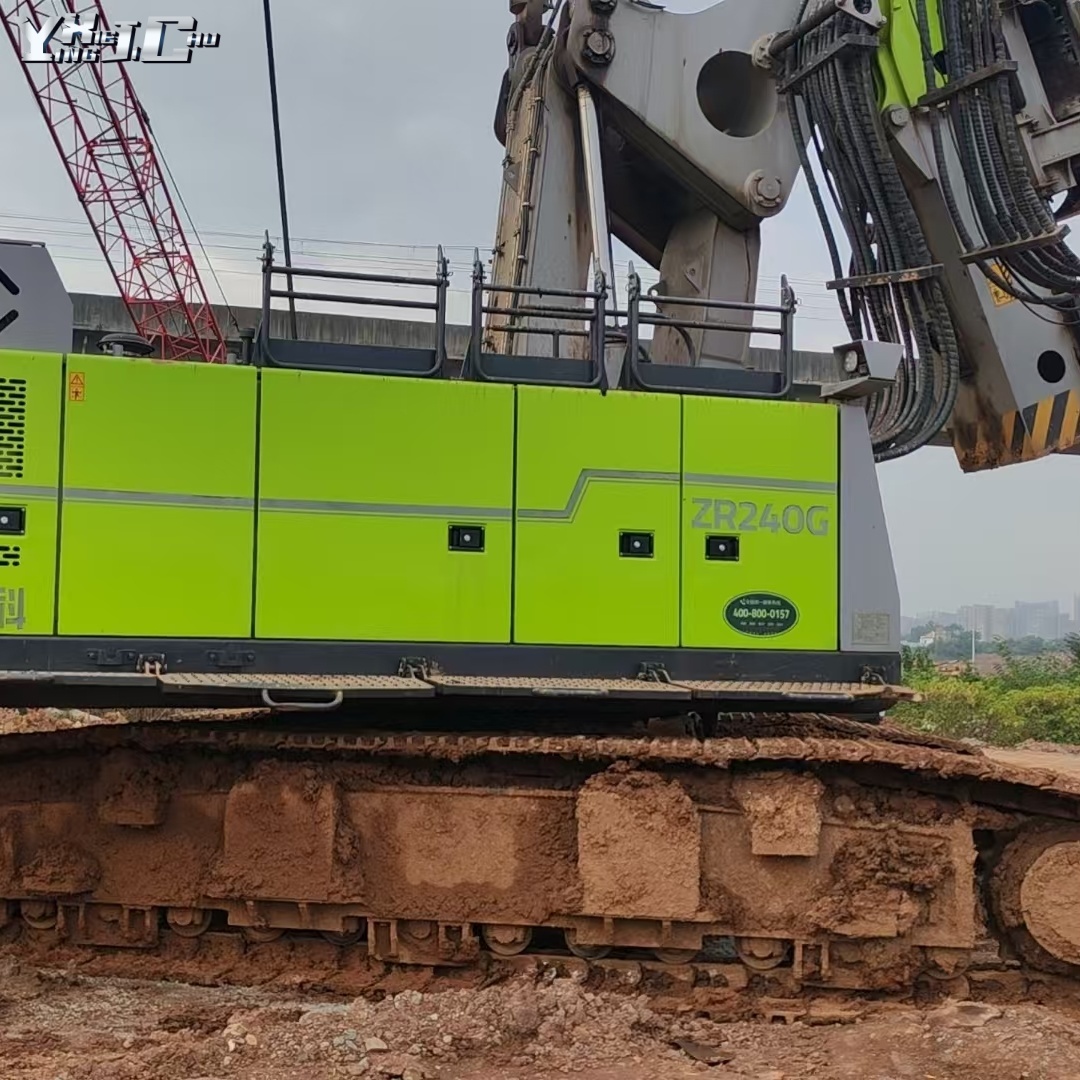
As the "underground pioneer" in engineering construction, the residual value rate of rotary drilling RIGS in second-hand transactions is the core concern of both buyers and sellers. The residual value rate not only reflects the remaining value of equipment but is also a key indicator for measuring investment returns. Understanding the calculation logic and influencing factors can help you avoid detours in transactions.
1. The basic calculation logic of residual value rate
Residual value rate is usually the ratio of the second-hand selling price of the equipment to its original value. The formula is: Residual value rate = (second-hand transaction price ÷ original value of the equipment) ×100%. Please note that the original value should include the additional costs at the time of purchase (such as transportation and installation fees), rather than just the price of the bare machine.
2. Core factor one: Usage duration and working condition intensity
The longer the service life of the equipment, the more severe the wear of the core components, and the lower the residual value rate is often. If one operates for a long time in harsh conditions such as hard rock and highly corrosive environments, even if the usage time is short, the depreciation of residual value will accelerate.
3. Core factor Two: Brand and model universality
The residual value rate of rotary drilling RIGS from well-known brands (such as XCMG and Sany) is generally higher than that of niche brands due to their easily accessible spare parts and convenient maintenance. In addition, mainstream models with a large market share have stronger second-hand circulation and better value retention.
4. Core factor Three: Maintenance records and repair status
A complete maintenance manual and regular maintenance records can significantly increase the residual value. If the equipment has experienced major malfunctions (such as major engine overhauls or mast deformations), even if it is repaired, the residual value rate may drop by 10% to 30%.
5. Core Factor Four: Market supply and Demand and policy changes
When infrastructure projects surge and the demand for second-hand rotary drilling RIGS is strong, the residual value rate will rise along with the market trend. The upgrading of environmental protection policies (such as the elimination of equipment meeting the National III emission standards) may lead to a sharp drop in the residual value of some old models.
6. Practical skills for residual value rate assessment
In addition to formula calculation, you can refer to recent transaction cases of the same model and score based on the actual working conditions of the equipment (with a full score of 100, and each factor will be deducted points according to the weight). Professional third-party testing reports can provide an objective basis for residual value assessment.
In conclusion, the residual value rate of second-hand rotary drilling RIGS is a comprehensive reflection of factors such as usage conditions, brand effects, and market dynamics. Mastering these logics, whether selling or purchasing, can help you more accurately grasp the value of the equipment and avoid unnecessary losses.


